 Business License

ATmega328P-AU: From Arduino Boards to CNC Machines, Real Applications and a Buyer's Guide
Key Takeaways
The ATmega328P-AU is the 32-pin TQFP version of the 8-bit AVR microcontroller that powers the Arduino Uno and Arduino Nano. It is also the chip that runs GRBL, the open-source CNC firmware behind desktop routers such as the Shapeoko, the X-Carve and the 3018 series. The part is still in volume production and widely stocked, but buyers must watch for the ATmega328PB being substituted for the ATmega328P, and for remarked chips. The signature bytes 0x1E 0x95 0x0F are the fastest way to confirm a genuine ATmega328P. This guide covers four real applications, the full variant map, and the checks that matter before you order in bulk.
Four Real Applications of the ATmega328P-AU
Case 1: Arduino Uno and Arduino Nano
The ATmega328P is the microcontroller on the Arduino Uno and the Arduino Nano, the two most widely used Arduino boards in the world. Every Uno and classic Nano ships with an ATmega328P running at 16 MHz, and the Arduino IDE, libraries and community examples are built around it. For a buyer, this is the single largest demand driver: millions of boards, kits, shields and clones are produced every year, and each one needs an ATmega328P. The AU (TQFP-32) version is the surface-mount part used on production boards, while the PU (DIP-28) version is the through-hole part used for prototyping and sockets.
Case 2: GRBL CNC routers, laser engravers and plotters
GRBL is an open-source, high-performance G-code parser and CNC motion controller that runs on an Arduino with an ATmega328P processor. It is the firmware behind the Shapeoko and X-Carve desktop CNC routers, the 3018-series mini routers, laser engravers, pen plotters and PCB mills. A GRBL controller takes G-code from a PC and generates precise stepper-motor pulses at up to 30 kHz, with acceleration management and 16-motion lookahead. The classic setup is an Arduino Uno or Nano with an ATmega328P plus a CNC Shield V3 loaded with A4988 or DRV8825 stepper drivers. This is a real, ongoing volume market: every 3018 router, every DIY laser engraver and every Arduino CNC shield kit ships with an ATmega328P at its core.
Case 3: Arduino-based CNC plotters and drawing machines
Arduino-based drawing and writing machines use an Arduino Uno (ATmega328P) as the core processing unit for G-code interpretation and signal generation, driving stepper motors through a CNC shield and a servo for pen lifting. The design converts text or images into G-code with open-source tools such as Inkscape and GRBL, then reproduces handwriting, drawings and signatures automatically. These plotters are built in education, maker and small-batch commercial settings, and they all depend on the ATmega328P.
Case 4: Industrial control, sensor nodes and education
Beyond Arduino and CNC, the ATmega328P-AU is used in industrial controllers, sensor nodes, smart-home devices, motor and servo drivers, and education kits. Its 5 V I/O, on-chip EEPROM, deterministic timing and low unit cost make it a practical choice where a simple, proven 8-bit controller is enough. It is also the standard teaching microcontroller in electronics courses worldwide, which keeps demand steady year after year.
Variant Map: AU, PU, MU, 328 and 328PB
Buyers confuse these parts constantly, and the differences are real enough to break a build. Here is the map.
ATmega328P-AU: 32-pin TQFP (7 x 7 mm), surface mount, 23 I/O, 8-channel 10-bit ADC (adds ADC6 and ADC7), industrial -40 to +85°C. This is the part on production Arduino boards.
ATmega328P-PU: 28-pin DIP (0.3 inch), through hole, 23 I/O, 6-channel ADC. Same die as the AU in a different package. Firmware is portable between AU and PU except for code that references ADC6 or ADC7, which exist only on the 32-pin parts.
ATmega328P-MU: 32-pad VQFN (5 x 5 mm), surface mount, 8-channel ADC. Same die, smallest footprint.
ATmega328 (no P): Same pins and memory as the 328P, but it lacks the picoPower brown-out switch-off in sleep, has higher power-down and active current, and has a different signature byte (0x1E 0x95 0x14). A programmer set for the 328P will refuse it.
ATmega328PB: A different chip, not a drop-in replacement. It adds a second USART, a second SPI, a second I2C, three 16-bit timers, 10 PWM channels, a touch controller and extra I/O, with signature 0x1E 0x95 0x16. It repurposes pin 3 (GND) and pin 6 (VCC) as PE0 and PE1, so dropping a 328PB into a board laid out for a 328P connects two supply rails to general-purpose I/O. It has no DIP package. Many clone Nano boards ship with a 328PB instead of a 328P, which causes confusion when the second I2C port cannot be used on a 328P board layout.
Reel order codes carry an R suffix, for example ATmega328P-AUR. The suffix does not change the silicon.
Sourcing Pitfalls: What to Check Before You Order
328PB substituted for 328P. The ATmega328PB is sometimes cheaper and more available than the ATmega328P, so it appears on clone boards and in mixed lots. If your board is laid out for a 328P, a 328PB can damage the part or simply not work, because pins 3 and 6 are I/O on the PB, not power. Always confirm the exact part number, not just the family.
Remarked chips. The ATmega328 (no P) and the ATmega328P look identical, and the 328 is sometimes remarked as a 328P. The signature byte is the fastest check: a programmer reads the ATmega328P as 0x1E 0x95 0x0F, the ATmega328 as 0x1E 0x95 0x14, and the ATmega328PB as 0x1E 0x95 0x16. If the signature does not match the part number on the package, do not accept the lot.
Wrong package. The AU is TQFP-32 (surface mount). The PU is DIP-28 (through hole). They are not interchangeable on a PCB. Confirm the package suffix in the order, and confirm the reel or tray packaging you need.
Voltage and clock. The ATmega328P runs from 1.8 to 5.5 V, but the maximum clock depends on supply voltage: up to 4 MHz at 1.8 V, up to 10 MHz at 2.7 V, and up to 20 MHz at 4.5 V and above. A 16 MHz design needs at least 4.5 V. A board that runs 16 MHz at 3.3 V is out of specification and will be unreliable.
Specifications
Model Number: ATmega328P-AU
Brand: Microchip (Atmel)
Core: 8-bit AVR, up to 20 MHz
Flash Memory: 32KB in-system self-programmable
SRAM: 2KB
EEPROM: 1KB, 100,000 write/erase cycles
Operating Voltage: 1.8 - 5.5 V
Operating Temperature: -40 to +85°C
I/O Pins: 23 programmable
ADC: 8-channel, 10-bit (TQFP-32)
PWM Channels: 6
Timers: Two 8-bit, one 16-bit
Package: TQFP-32, 7 x 7 mm, 0.8 mm pitch
Interfaces: USART, SPI, I2C (TWI)
Signature Bytes: 0x1E 0x95 0x0F
Application: Arduino Uno and Nano, GRBL CNC, laser engravers, plotters, motor control, IoT sensor nodes, industrial control, education
FAQ
1. What is the difference between ATmega328P-AU and ATmega328P-PU?
They are the same die in different packages. The ATmega328P-AU is a 32-pin TQFP for surface-mount assembly, with 8 ADC channels (ADC6 and ADC7). The ATmega328P-PU is a 28-pin DIP for through-hole assembly, hand soldering and sockets, with 6 ADC channels. Firmware is portable between them except for code that references ADC6 or ADC7.
2. Can I use ATmega328PB-AU instead of ATmega328P-AU?
No, not as a drop-in replacement. The ATmega328PB is a different chip with a second USART, SPI and I2C, more timers and more PWM, but it repurposes pin 3 (GND) and pin 6 (VCC) as PE0 and PE1. Dropping a 328PB into a board laid out for a 328P connects two supply rails to general-purpose I/O, which can damage the part. It also has a different signature (0x1E 0x95 0x16), so existing ATmega328P firmware and bootloaders need changes.
3. Is the ATmega328P-AU still in production?
Yes. The ATmega328P-AU remains in volume production and is widely stocked by distributors, driven by Arduino, GRBL CNC and education demand. Microchip has flagged the family as not recommended for new designs, which means new products should consider newer MCUs, but the part continues to ship in large quantities for existing designs, maintenance and the Arduino ecosystem. Check Microchip's current product page for the latest lifecycle status before starting a new production run.
4. How do I check if my ATmega328P is genuine?
The fastest check is the signature bytes. Connect a programmer (ISP) and read the signature: a genuine ATmega328P answers 0x1E 0x95 0x0F. If it answers 0x1E 0x95 0x14, it is an ATmega328 (no P). If it answers 0x1E 0x95 0x16, it is an ATmega328PB. Also check the laser marking on the package: it should read ATMEL, MEGA328P, and the package code (AU for TQFP-32). Buy from authorized distributors or verified suppliers to reduce the risk.
5. What are the signature bytes for ATmega328P?
0x1E 0x95 0x0F. The first byte 0x1E is Atmel/Microchip, the second 0x95 is the AVR family, and the third 0x0F identifies the ATmega328P specifically. The ATmega328 is 0x1E 0x95 0x14 and the ATmega328PB is 0x1E 0x95 0x16.
6. Does the ATmega328P-AU work at 3.3 V?
Yes, the ATmega328P operates from 1.8 to 5.5 V, so 3.3 V is within range. But the maximum clock speed depends on supply voltage. At 3.3 V the safe maximum is 10 MHz. The common 16 MHz Arduino clock needs at least 4.5 V. If your design runs at 3.3 V, use an 8 MHz crystal, or use the internal 8 MHz RC oscillator.
7. Can the ATmega328P-AU run at 20 MHz?
Yes, up to 20 MHz, but only at 4.5 to 5.5 V supply. The speed grades are 0-4 MHz at 1.8-5.5 V, 0-10 MHz at 2.7-5.5 V, and 0-20 MHz at 4.5-5.5 V. Most Arduino boards run the ATmega328P at 16 MHz on 5 V, which is well within specification.
8. How do I program the ATmega328P-AU?
Two ways. If the chip has the Arduino bootloader (Optiboot) pre-loaded, program it over UART with a USB-to-serial adapter, as on an Arduino Uno or Nano. If the chip is blank, use in-system programming (ISP) through the SPI pins (MOSI, MISO, SCK, RESET) with a programmer such as USBasp or Atmel-ICE, which also lets you burn the bootloader. The chip also supports debugWIRE for on-chip debugging.
9. What crystal do I need for 16 MHz operation?
A 16 MHz quartz crystal with two load capacitors (typically 22 pF each) connected to XTAL1 and XTAL2, plus the correct fuse settings (CKSEL for external crystal). The Arduino Uno uses a 16 MHz crystal. If you use the internal 8 MHz RC oscillator instead, no crystal is needed, but the clock accuracy is lower (factory calibration +/-10%), which is not sufficient for reliable UART communication at high baud rates.
10. How many PWM channels does the ATmega328P-AU have?
Six PWM channels, from the two 8-bit timers and the one 16-bit timer. On an Arduino Uno these map to digital pins 3, 5, 6, 9, 10 and 11. The ATmega328PB has 10 PWM channels, but it is a different chip and not a drop-in replacement.
11. Is the ATmega328P-AU suitable for new designs?
For prototyping, education, Arduino-compatible products and maintenance of existing designs, yes. For a brand-new commercial product, consider that Microchip lists the family as not recommended for new designs, and newer 32-bit MCUs offer more performance per dollar. The ATmega328P-AU still wins where 5 V I/O, a huge code base, Arduino compatibility and the lowest unit cost matter more than raw speed.
12. Where can I buy the ATmega328P-AU in bulk?
QIXINWEI (Shenzhen Qixinwei Technology Co., Ltd.) supplies genuine Microchip ATmega328P-AU in volume, with full BOM matching. Send your BOM list for lead time and pricing. We check every order against the full BOM, source hard-to-find parts, and verify the part number, package and signature before shipping.
Supplier: Shenzhen Qixinwei Technology Co., Ltd. (QIXINWEI)
Website: https://www.qixinwei-pcba.com/
Recently Posted
-
INA226AQDGSRQ1: A 16-Bit Current and Power Monitor for Automotive Power Rails
November 20, 2026A power rail in an automotive system is only as reliable as the measurement behind it. When a battery management system, an ADAS d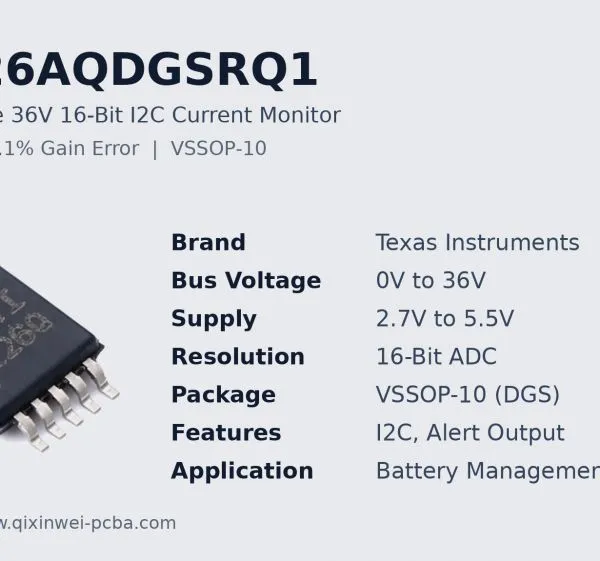 Read More
-
ATmega32U4-AU: Microchip 8-Bit AVR MCU with Native USB
November 18, 2026Key TakeawaysWhat it is: The ATmega32U4-AU is Microchip's 8-bit AVR microcontroller with a built-in USB 2.0 device controller,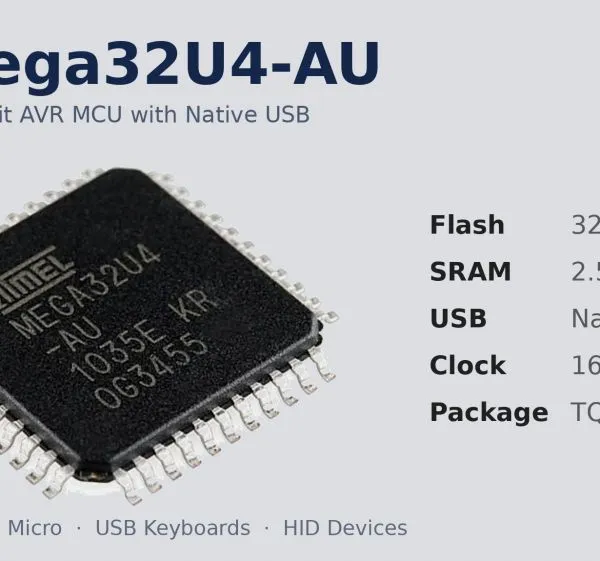 Read More
-
DRV8889QWRGERQ1: TI Automotive Stepper Driver with 1/256 Microstepping
November 14, 2026Key TakeawaysThe DRV8889QWRGERQ1 is a Texas Instruments AEC-Q100 qualified stepper motor driver for automotive bipolar stepper mot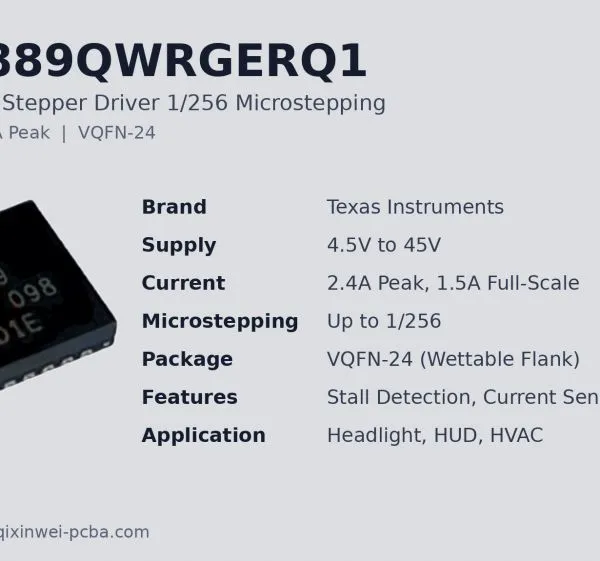 Read More
-
STC89C52 vs AT89S52: Two Classic 8051 MCUs — Which One Should You Choose?
November 12, 2026By QIXINWEI | STC89C52 vs AT89S52 | Classic 8051 MCU ComparisonThe STC89C52 and the AT89S52 look alike on paper: the same name str Read More

Contact Us
Recommended Products
-
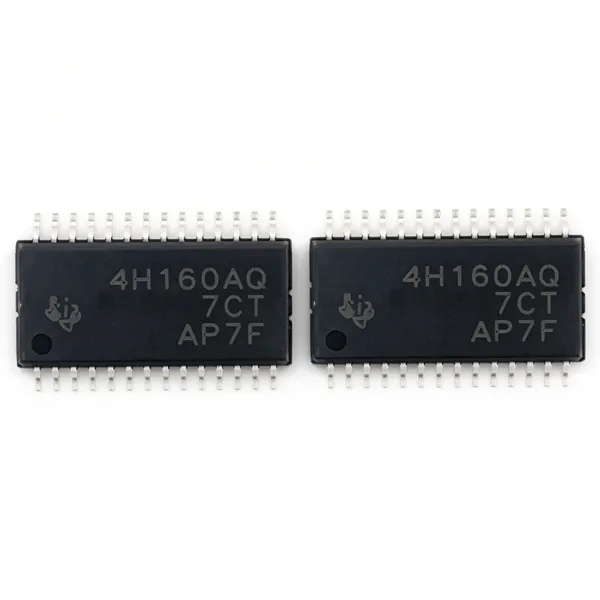
 TPS4H160BQPWPRQ1 Original TI Automotive Quad-Channel 160mOhm Smart High-Side Switch HTSSOP-28NegotiableMOQ: 100 Units
-
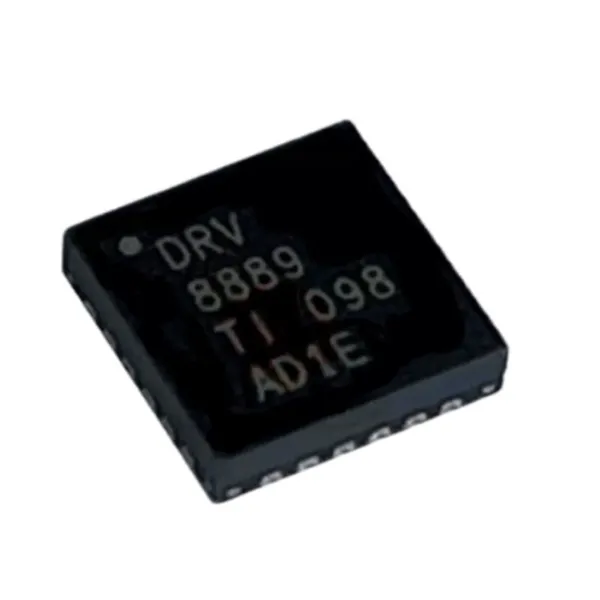
DRV8889QWRGERQ1 Original TI Automotive Stepper Motor Driver 2.4A 45V VQFN-24NegotiableMOQ: 100 Units
-
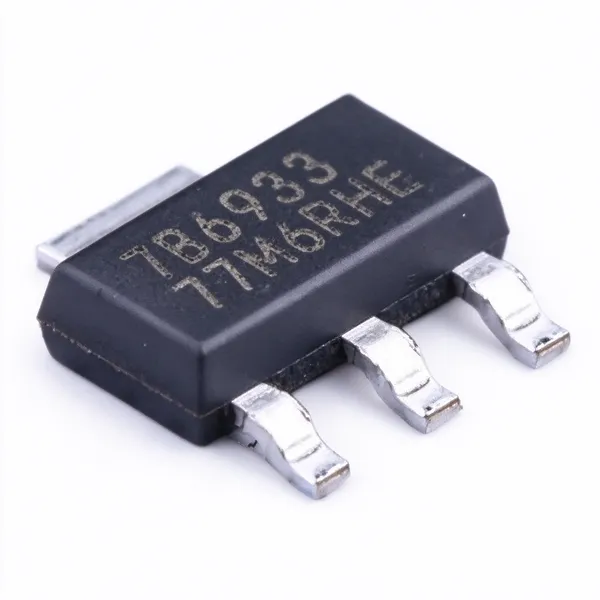
TPS7B6933QDCYRQ1 Original TI Automotive 3.3V 150mA 40V LDO Linear Regulator SOT-223NegotiableMOQ: 100 Units
-
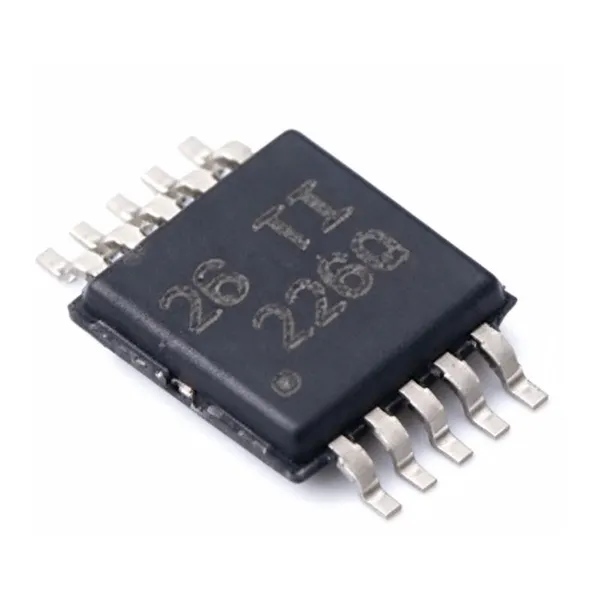
INA226AQDGSRQ1 Original TI Automotive 36V 16-Bit I2C Current Power Monitor VSSOP-10NegotiableMOQ: 100 Units
-
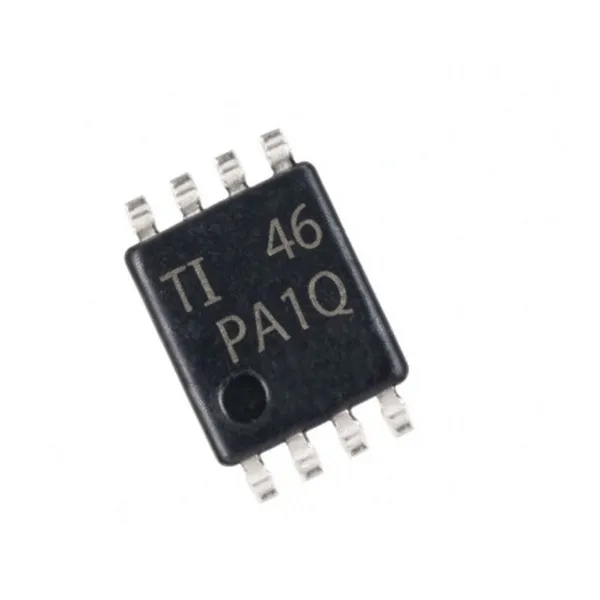
TPS7A6650QDGNRQ1 Original TI Automotive 150mA 40V LDO Linear Regulator 5V Fixed Output HVSSOP-8NegotiableMOQ: 100 Units
-
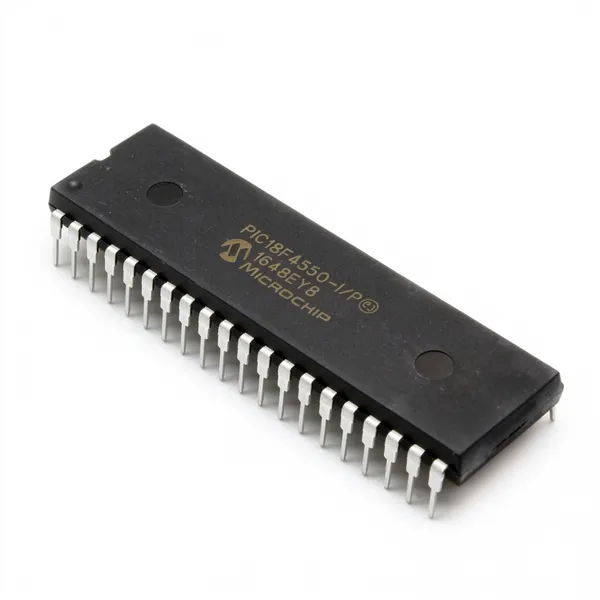
Microchip PIC18F4550-I/P 8-Bit MCU 48MHz 32KB Flash USB 2.0 DIP-40NegotiableMOQ: 100 Units
-
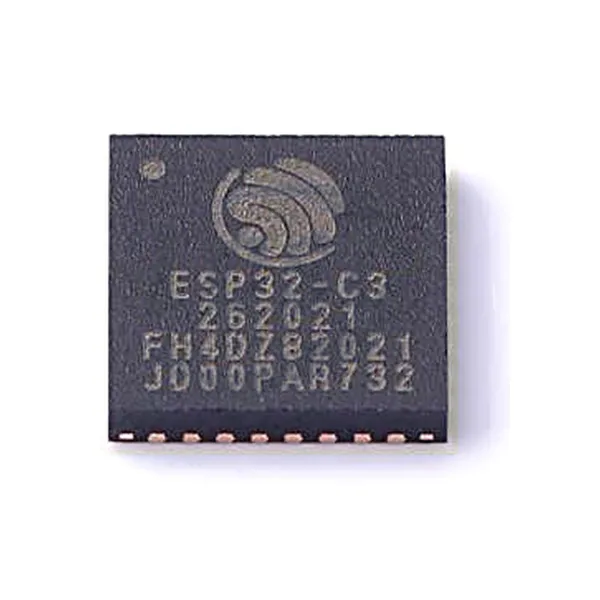
Espressif ESP32-C3 RISC-V WiFi Bluetooth LE Microcontroller 160MHz 400KB SRAM QFN-32NegotiableMOQ: 100 Units
-
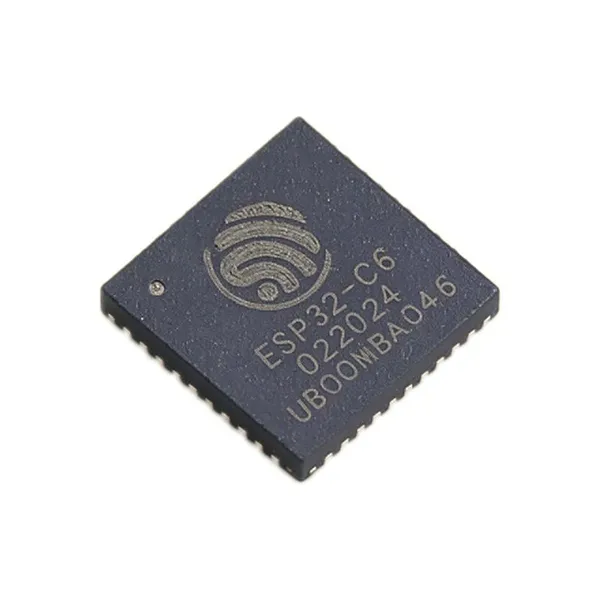
ESP32-C6 RISC-V WiFi 6 + Bluetooth 5.3 LE + Zigbee/Thread SoC 160MHz 512KB SRAM QFN-40 IoT Smart HomeNegotiableMOQ: 100 Units
-
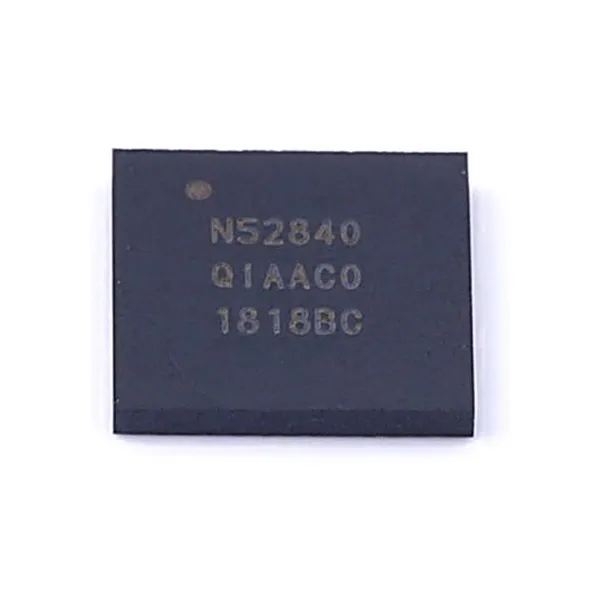
NRF52840 Nordic Bluetooth 5.3 SoC Cortex-M4F 64MHz 1MB Flash 256KB RAM AQFN-73NegotiableMOQ: 100 Units
-
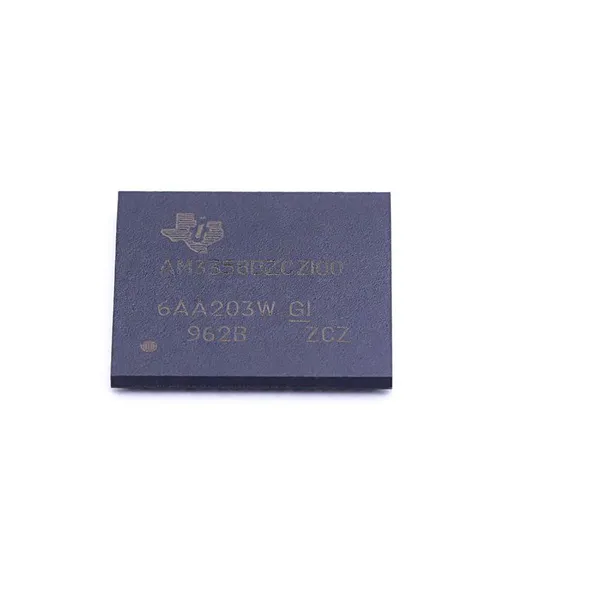
AM3358 TI Sitara AM3358BZCZ100 ARM Cortex-A8 Processor 1GHz BGA-324NegotiableMOQ: 100 Units
-
ADS1115 Texas Instruments ADS1115IDGSR 16-Bit ADC 860 SPS PGA I2C VSSOP-10NegotiableMOQ: 100 Units
-
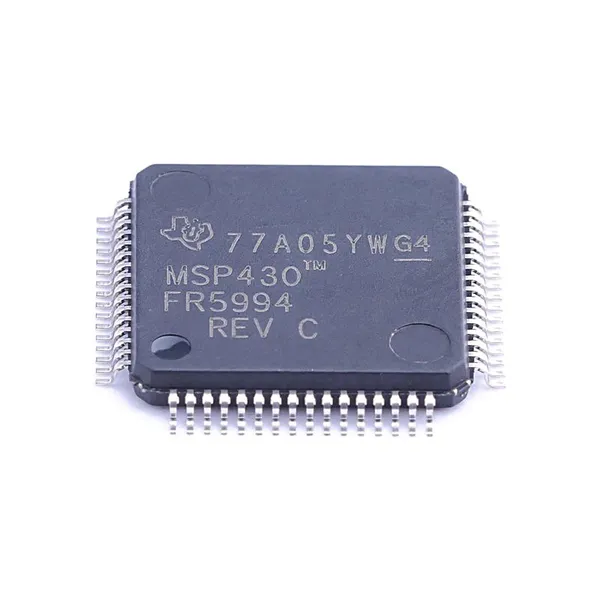
MSP430FR5994 TI MSP430FR5994IPM Ultra-Low-Power MCU 16MHz 256KB FRAM LEA LQFP-64NegotiableMOQ: 100 Units
-
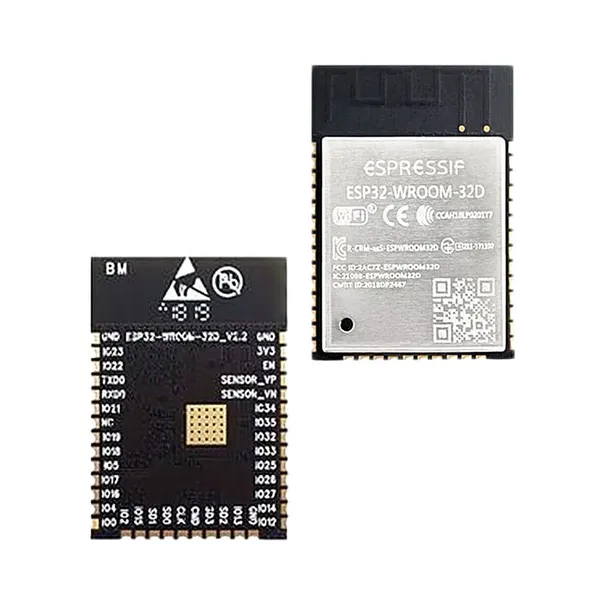
Espressif ESP32-WROOM-32D WiFi Bluetooth Module Dual-Core 240MHz 4MB Flash PCB Antenna IoTNegotiableMOQ: 100 Units
-
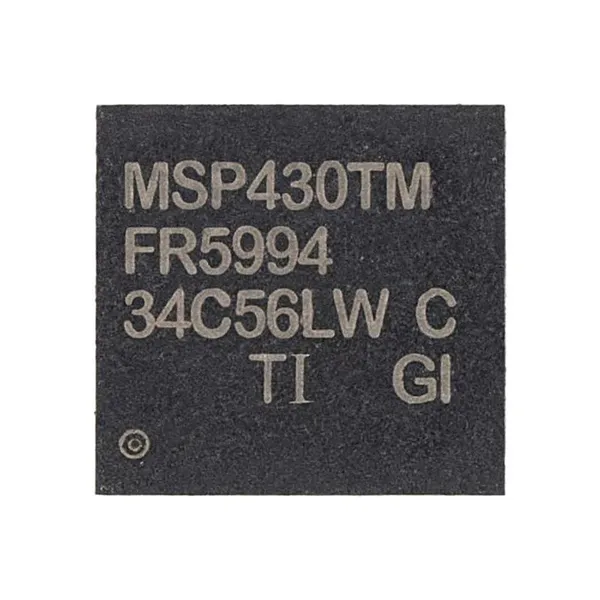
MSP430FR5994 TI MSP430FR5994IRGC Ultra-Low-Power MCU 16MHz 256KB FRAM LEA VQFN-64NegotiableMOQ: 100 Units
-
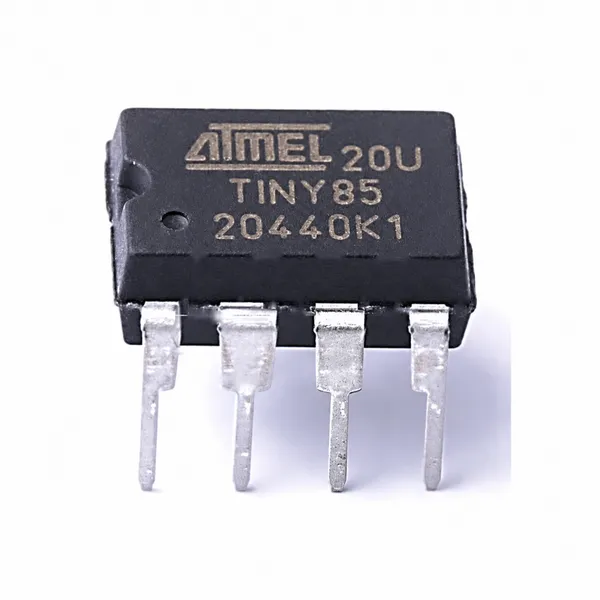
ATtiny85-20PU 8-Bit AVR Microcontroller 20MHz 8KB Flash 512B SRAM DIP-8NegotiableMOQ: 100 Units
-
Microchip ATmega2560-16AU AVR 8-Bit MCU 16MHz 256KB Flash 8KB SRAM TQFP-100NegotiableMOQ: 100 Units
-
Nordic Semiconductor NRF52832-QFAA Bluetooth 5 SoC ARM Cortex-M4F 64MHz 512KB Flash 64KB RAM QFN-48NegotiableMOQ: 100 Units
-
ATmega32U4-AU Microchip 8-Bit AVR MCU 16MHz 32KB Flash 2.5KB SRAM USB TQFP-44NegotiableMOQ: 100 Units
-
Microchip PIC16F877A-I/P 8-bit PIC MCU 20MHz 14KB Flash 368B RAM DIP-40NegotiableMOQ: 100 Units
-
STMicroelectronics STM32F103C8T6 ARM Cortex-M3 MCU 72MHz 64KB Flash 20KB SRAM LQFP-48NegotiableMOQ: 100 Units