 Business License

Obsolete Electronic Components: How to Source Hard-to-Find Parts Without Stopping Your Production Line
When a critical electronic component goes obsolete, the clock starts ticking. A single end-of-life notice can put an entire production line at risk, and the longer you wait, the harder and more expensive the part becomes to find. For procurement teams and hardware engineers, sourcing obsolete electronic components is not a routine purchase. It is a race against discontinuation, counterfeits, and lead times.
This guide explains what obsolete means, why parts go end-of-life, and how to source hard to find electronic components safely, so your line keeps running.
What Does "Obsolete" Actually Mean?
An electronic component is obsolete when the manufacturer stops producing it. That can take several forms: end-of-life (EOL), not recommended for new designs (NRND), or a last-time-buy window that closes within months. In each case, the authorized channel dries up. Distributors with franchised stock sell through what they have, and then the part is gone from the standard supply chain.
That does not mean the part is gone from the market. Independent distributors and specialist stockists often hold remaining inventory, and they can source from the global open market. The challenge is finding a supplier you can trust, and verifying that what you receive is genuine.
Why Do Components Go Obsolete?
Components go obsolete for ordinary commercial reasons. A manufacturer consolidates its product line. A fabrication process is retired. Demand shifts to a newer generation. A product family is replaced by a more integrated design. None of this reflects the quality of the part. Many obsolete components are proven, reliable designs that are still specified in long-life products: industrial controllers, medical devices, automotive systems, and telecom infrastructure that must be supported for a decade or more.
The problem is a mismatch in lifecycles. A semiconductor product line may last five to seven years. The equipment it goes into may need support for fifteen. That gap is where obsolete component sourcing becomes essential.
The Real Risks of Sourcing Obsolete Parts
The open market for obsolete electronic components carries real risks, and they are worth naming plainly.
Counterfeits are the first risk. A part that is scarce and urgent is an attractive target for remarked or cloned devices. A remarked chip may look correct but fail under load, or fail months later in the field.
The second risk is wrong revision or date code. Some designs are sensitive to silicon revision or manufacturing date. A part with the right number but the wrong revision can behave differently.
The third risk is simply paying too much, or waiting too long. As stock thins out, prices rise and lead times stretch. A part that costs a few dollars today can cost ten times as much in six months, if it can be found at all.
The way to manage these risks is verification: confirm the source, inspect the parts, and test before committing to volume.
How to Source Hard to Find Electronic Components
A reliable sourcing process for obsolete and hard to find electronic components follows a few practical steps.
First, confirm the exact requirement. Identify the full part number, the acceptable revisions, the quantity needed, and the date by which the parts must be on the line. A clear requirement prevents wasted time on parts that do not fit.
Second, check the authorized channel and the independent market in parallel. The authorized channel is the first call, but for an obsolete part it is often already empty. An independent electronic components distributor can search global stock, including excess inventory from other manufacturers and distributors.
Third, verify before you buy. Ask for the date code, the lot information, and the chain of custody. For higher-value or higher-risk parts, arrange independent testing or inspection. A trustworthy supplier will welcome that scrutiny.
Fourth, consider a last-time buy or a lifetime buy when the numbers justify it. If a product will be supported for years, securing the full remaining requirement in one purchase can be cheaper and safer than repeated spot buys at rising prices.
Finally, keep the documentation. Record the supplier, the date code, the test results, and the lot number for every obsolete part you receive. If a quality issue appears later, that record is what lets you trace it.
Why an Independent Distributor Matters Here
Authorized distributors are the right first stop for current parts. But when a part is obsolete, the authorized channel has, by definition, moved on. That is where an independent distributor earns its place. An independent electronic components distributor works across the open market, holds buffer stock, and can consolidate a full bill of materials (BOM) from many sources into a single shipment and a single quote.
QIXINWEI is an independent distributor based in Shenzhen, the heart of the global electronics supply chain. We support manufacturers with BOM sourcing across microcontrollers, memory, power management ICs, MOSFETs, sensors, connectors, and the full range of electronic components. For obsolete and hard to find parts, we verify the source, confirm the date code, and match the rest of your BOM in the same order, so one shortage does not stop the line.
A Practical Next Step
If you have a part that has gone end-of-life, or a BOM with one or two lines that no distributor can fill, send the list. Tell us the part numbers, the quantities, and the date you need them. We will check global stock, confirm availability and pricing, and tell you plainly what can be sourced and what cannot. If a part is truly unavailable, we will say so, and we can discuss a verified alternative or a redesign path.
Obsolete does not have to mean unavailable. With the right sourcing partner, it usually means available, with a little more care and a little more verification.
Send your BOM list to QIXINWEI for a quote. We will check it against global stock and come back with lead time and pricing.
Recently Posted
-
INA226AQDGSRQ1: A 16-Bit Current and Power Monitor for Automotive Power Rails
November 20, 2026A power rail in an automotive system is only as reliable as the measurement behind it. When a battery management system, an ADAS d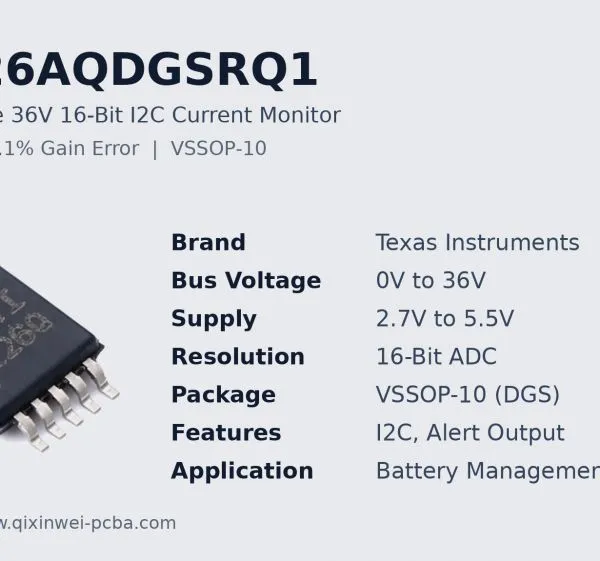 Read More
-
ATmega32U4-AU: Microchip 8-Bit AVR MCU with Native USB
November 18, 2026Key TakeawaysWhat it is: The ATmega32U4-AU is Microchip's 8-bit AVR microcontroller with a built-in USB 2.0 device controller,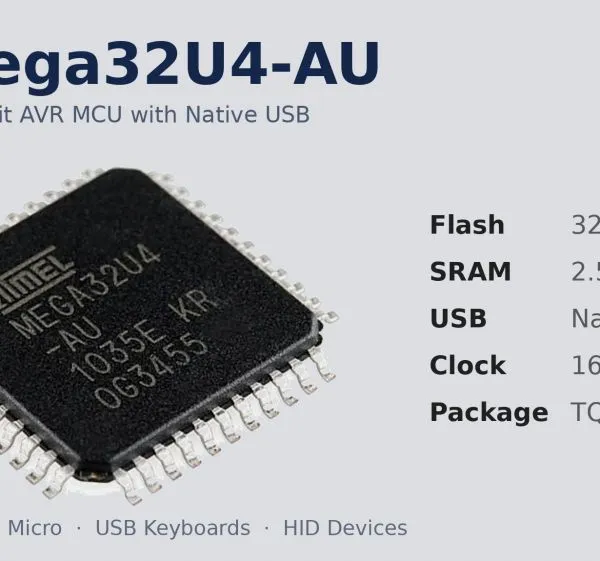 Read More
-
DRV8889QWRGERQ1: TI Automotive Stepper Driver with 1/256 Microstepping
November 14, 2026Key TakeawaysThe DRV8889QWRGERQ1 is a Texas Instruments AEC-Q100 qualified stepper motor driver for automotive bipolar stepper mot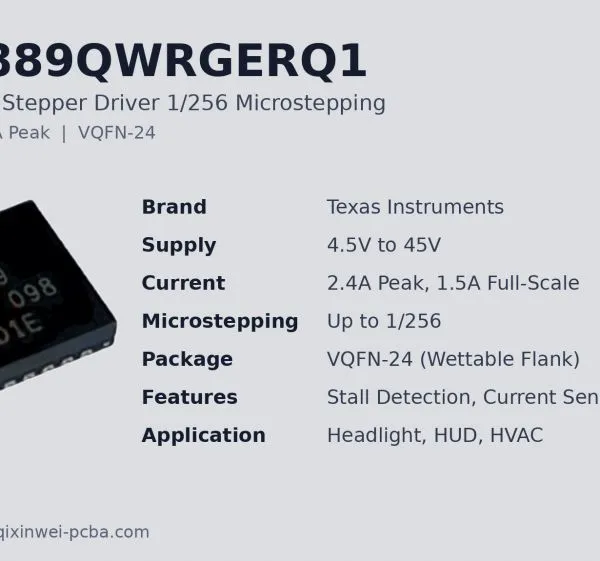 Read More
-
STC89C52 vs AT89S52: Two Classic 8051 MCUs — Which One Should You Choose?
November 12, 2026By QIXINWEI | STC89C52 vs AT89S52 | Classic 8051 MCU ComparisonThe STC89C52 and the AT89S52 look alike on paper: the same name str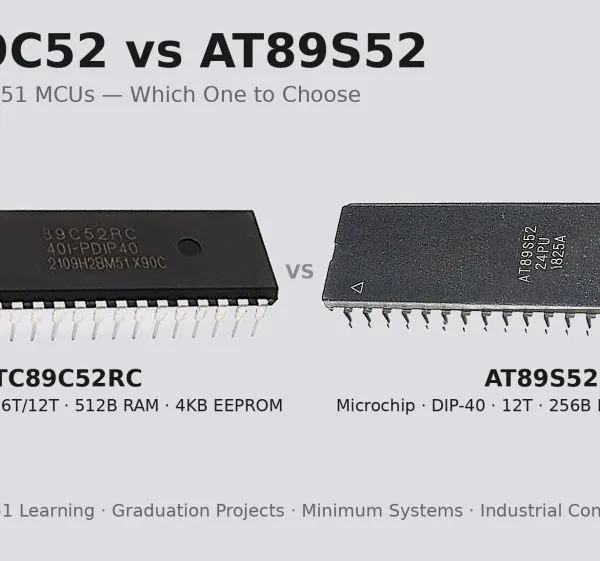 Read More

Contact Us
Recommended Products
-
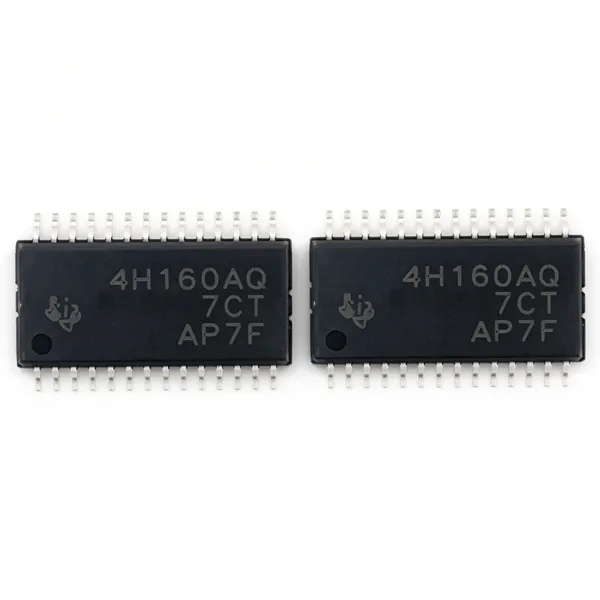
 TPS4H160BQPWPRQ1 Original TI Automotive Quad-Channel 160mOhm Smart High-Side Switch HTSSOP-28NegotiableMOQ: 100 Units
-
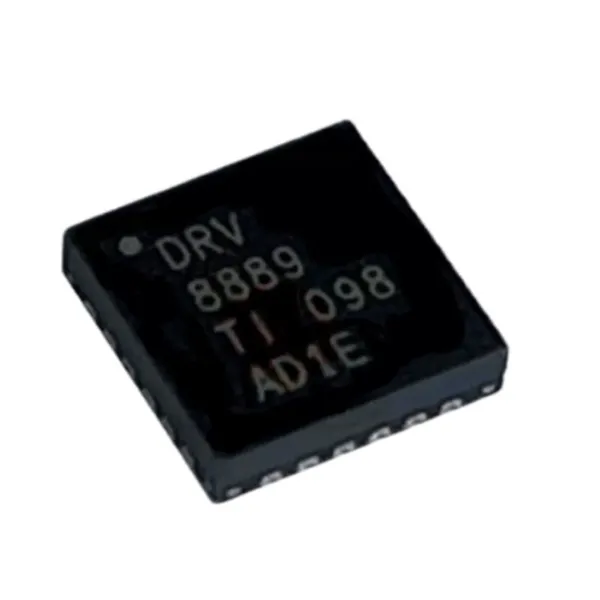
DRV8889QWRGERQ1 Original TI Automotive Stepper Motor Driver 2.4A 45V VQFN-24NegotiableMOQ: 100 Units
-
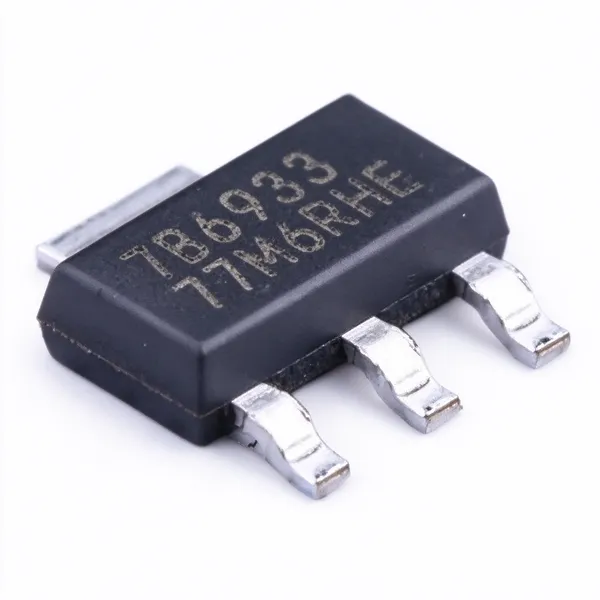
TPS7B6933QDCYRQ1 Original TI Automotive 3.3V 150mA 40V LDO Linear Regulator SOT-223NegotiableMOQ: 100 Units
-
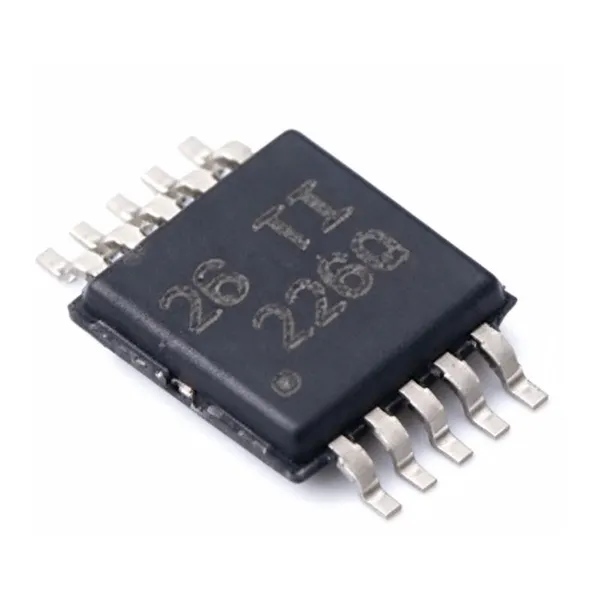
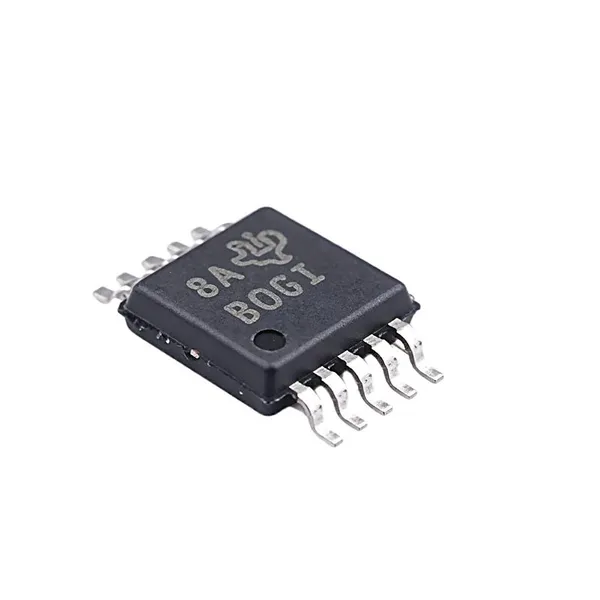
INA226AQDGSRQ1 Original TI Automotive 36V 16-Bit I2C Current Power Monitor VSSOP-10NegotiableMOQ: 100 Units
-
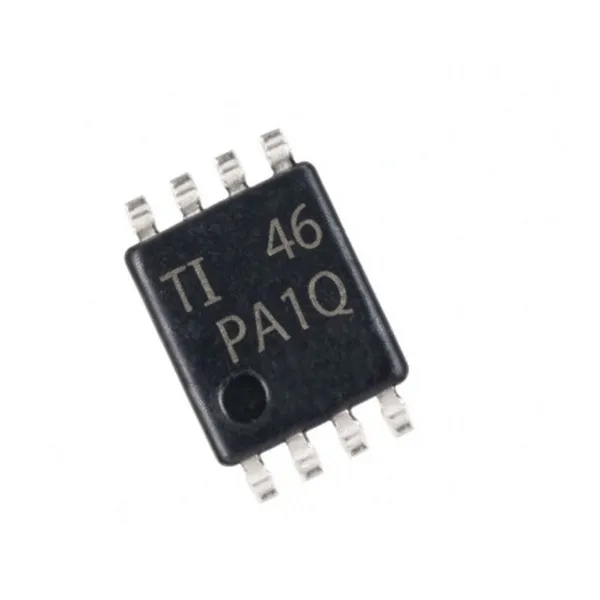
TPS7A6650QDGNRQ1 Original TI Automotive 150mA 40V LDO Linear Regulator 5V Fixed Output HVSSOP-8NegotiableMOQ: 100 Units
-
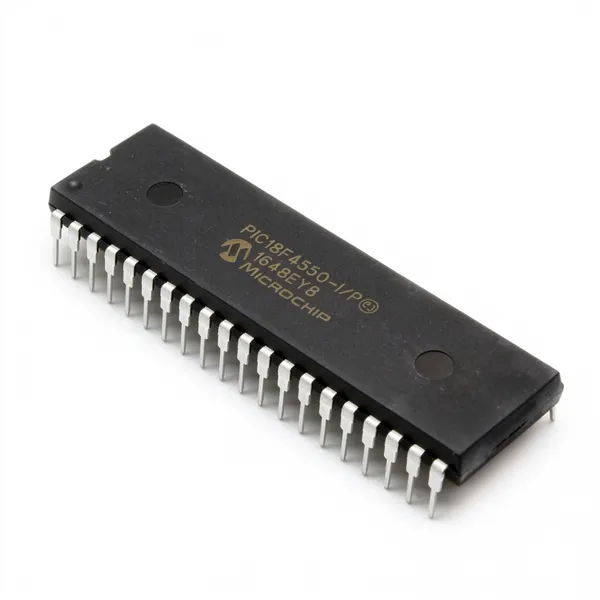
Microchip PIC18F4550-I/P 8-Bit MCU 48MHz 32KB Flash USB 2.0 DIP-40NegotiableMOQ: 100 Units
-
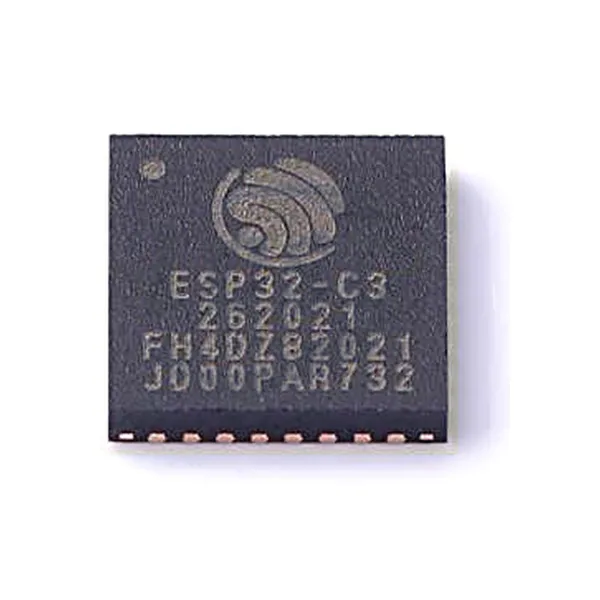
Espressif ESP32-C3 RISC-V WiFi Bluetooth LE Microcontroller 160MHz 400KB SRAM QFN-32NegotiableMOQ: 100 Units
-
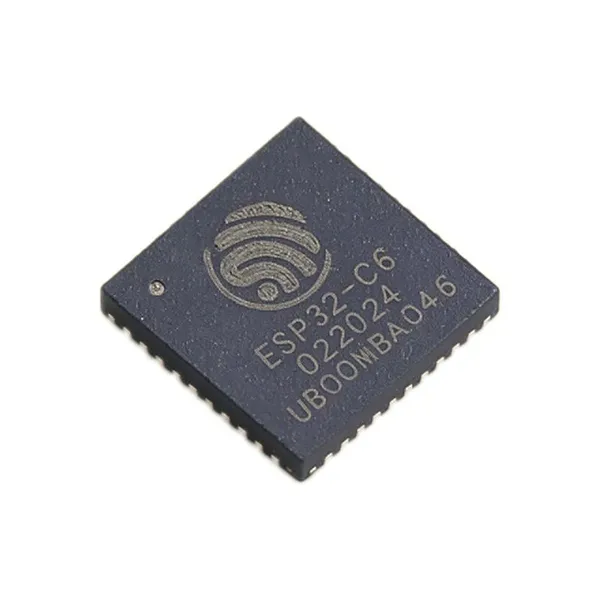
ESP32-C6 RISC-V WiFi 6 + Bluetooth 5.3 LE + Zigbee/Thread SoC 160MHz 512KB SRAM QFN-40 IoT Smart HomeNegotiableMOQ: 100 Units
-
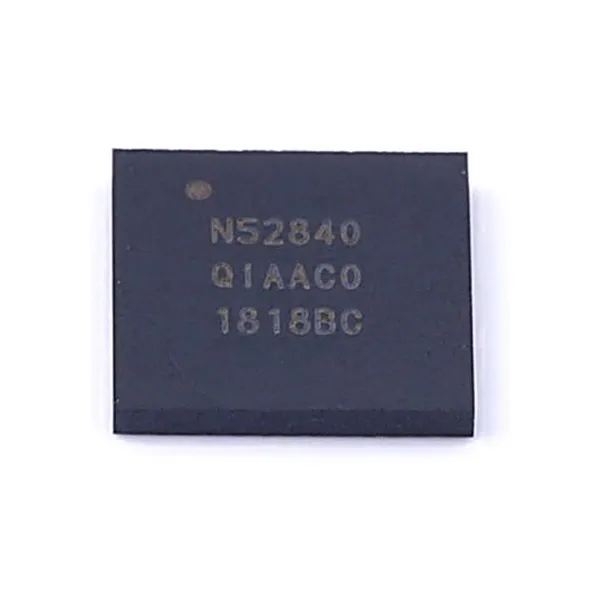
NRF52840 Nordic Bluetooth 5.3 SoC Cortex-M4F 64MHz 1MB Flash 256KB RAM AQFN-73NegotiableMOQ: 100 Units
-
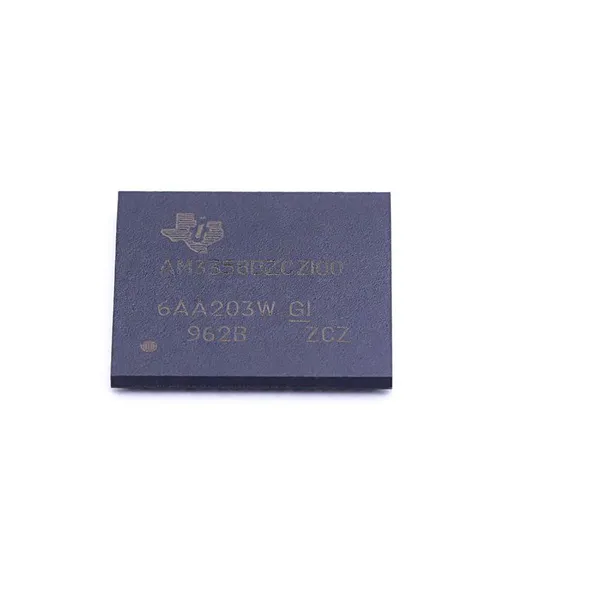
AM3358 TI Sitara AM3358BZCZ100 ARM Cortex-A8 Processor 1GHz BGA-324NegotiableMOQ: 100 Units
-
ADS1115 Texas Instruments ADS1115IDGSR 16-Bit ADC 860 SPS PGA I2C VSSOP-10NegotiableMOQ: 100 Units
-
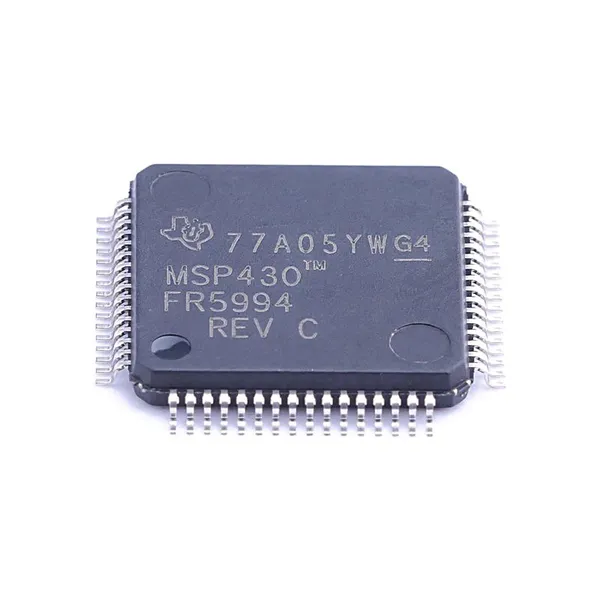
MSP430FR5994 TI MSP430FR5994IPM Ultra-Low-Power MCU 16MHz 256KB FRAM LEA LQFP-64NegotiableMOQ: 100 Units
-
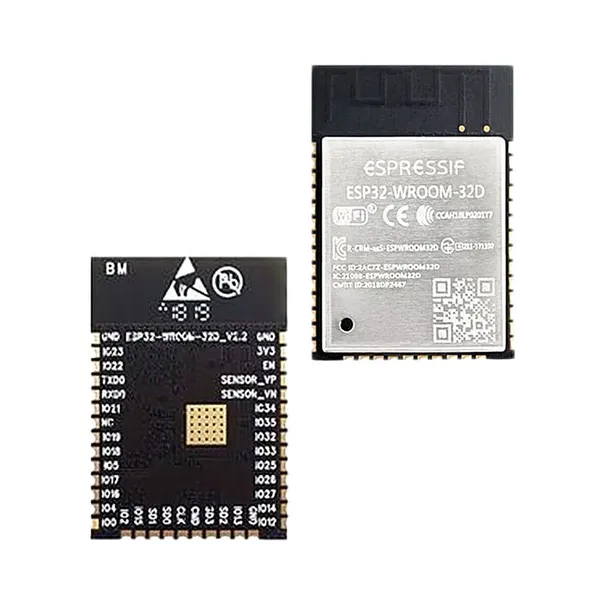
Espressif ESP32-WROOM-32D WiFi Bluetooth Module Dual-Core 240MHz 4MB Flash PCB Antenna IoTNegotiableMOQ: 100 Units
-
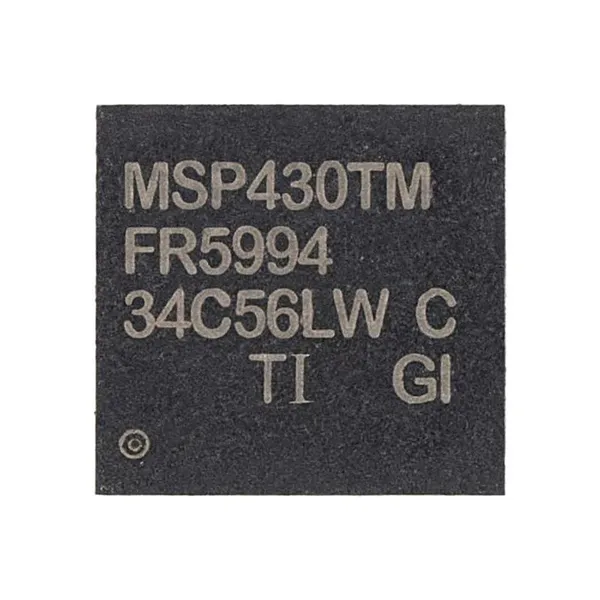
MSP430FR5994 TI MSP430FR5994IRGC Ultra-Low-Power MCU 16MHz 256KB FRAM LEA VQFN-64NegotiableMOQ: 100 Units
-
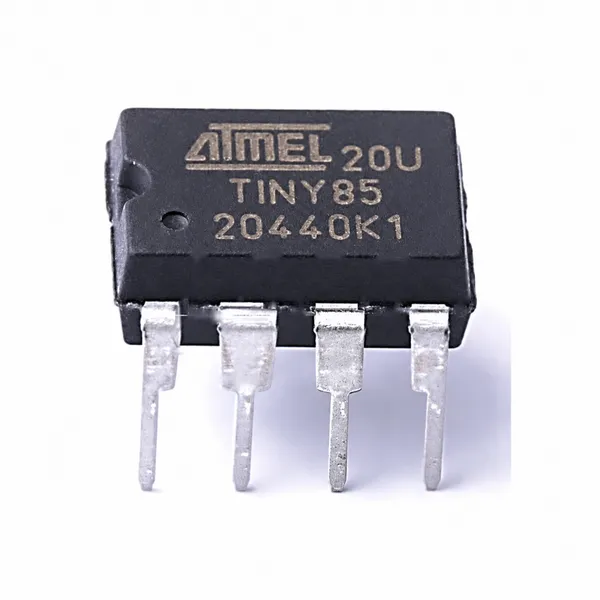
ATtiny85-20PU 8-Bit AVR Microcontroller 20MHz 8KB Flash 512B SRAM DIP-8NegotiableMOQ: 100 Units
-
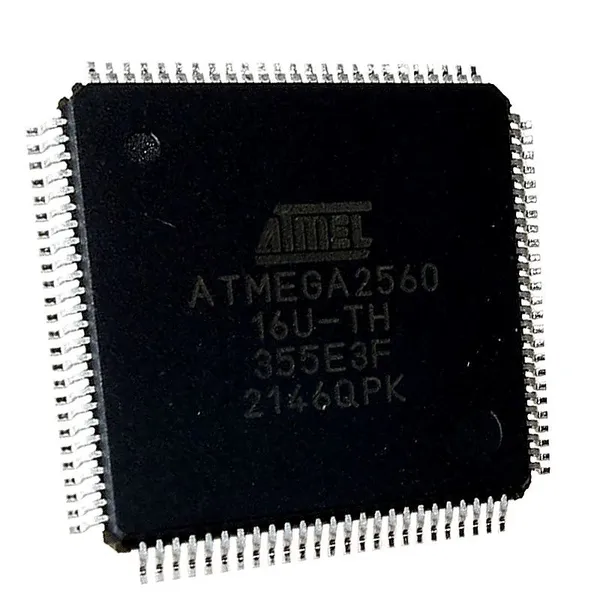
Microchip ATmega2560-16AU AVR 8-Bit MCU 16MHz 256KB Flash 8KB SRAM TQFP-100NegotiableMOQ: 100 Units
-
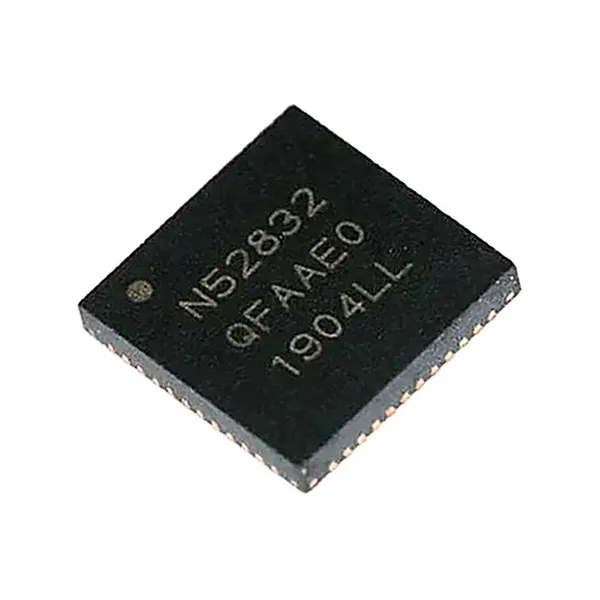
Nordic Semiconductor NRF52832-QFAA Bluetooth 5 SoC ARM Cortex-M4F 64MHz 512KB Flash 64KB RAM QFN-48NegotiableMOQ: 100 Units
-
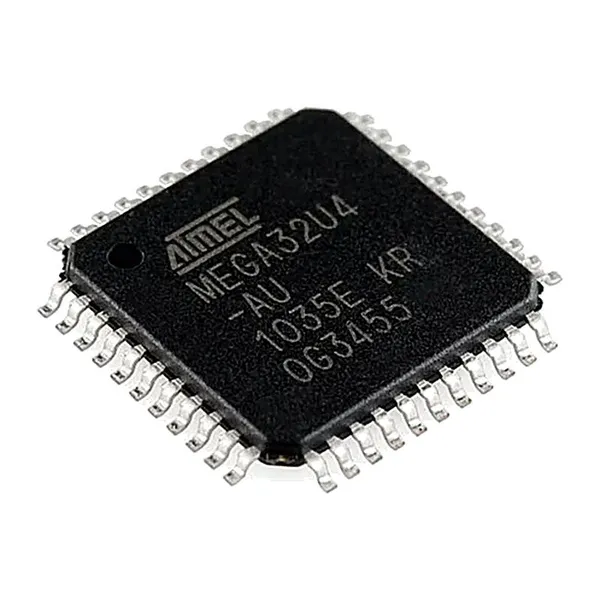
ATmega32U4-AU Microchip 8-Bit AVR MCU 16MHz 32KB Flash 2.5KB SRAM USB TQFP-44NegotiableMOQ: 100 Units
-
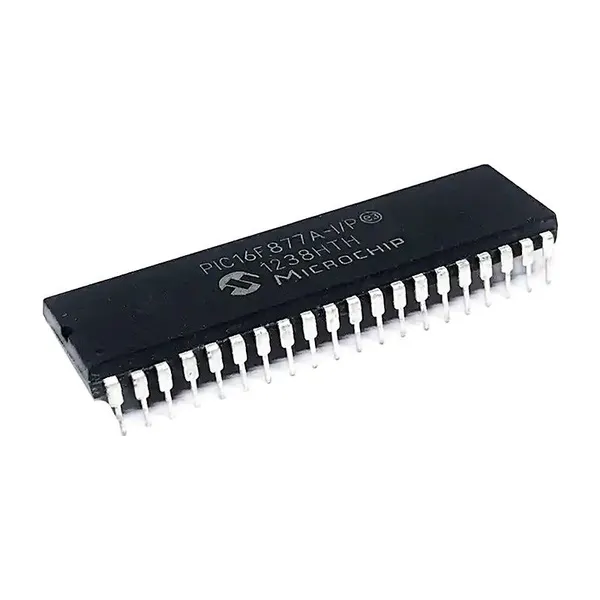
Microchip PIC16F877A-I/P 8-bit PIC MCU 20MHz 14KB Flash 368B RAM DIP-40NegotiableMOQ: 100 Units
-
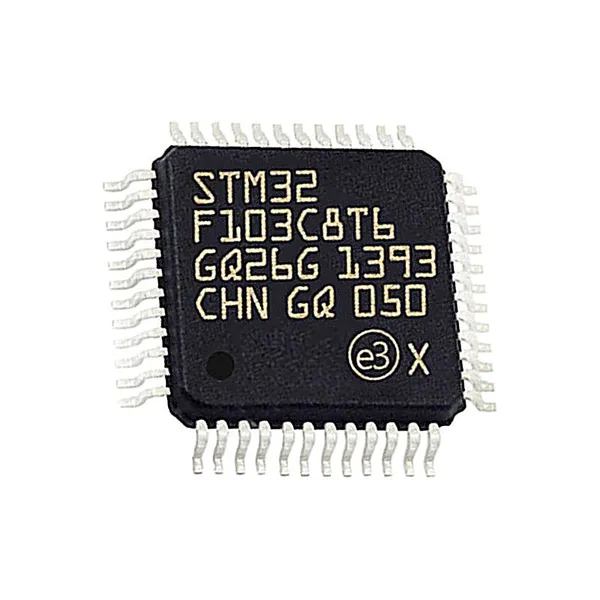
STMicroelectronics STM32F103C8T6 ARM Cortex-M3 MCU 72MHz 64KB Flash 20KB SRAM LQFP-48NegotiableMOQ: 100 Units